


Myth Busters Episode 2-Benefits of Using Coffee Grounds for Your Garden
- branch club
- May 8
- 3 min read

If you are on social media, you will have seen the headlines for miracle plant cures and one of the main ones doing the rounds is coffee grounds. Thousands of posts will tell you how they solve all mankind’s gardening problems. They fight diseases, discourage insects, fertilize the soil, improve drainage and even keep slugs from eating your plants. Is there nothing this miracle waste product cannot do? And there may be the rub in that last statement.
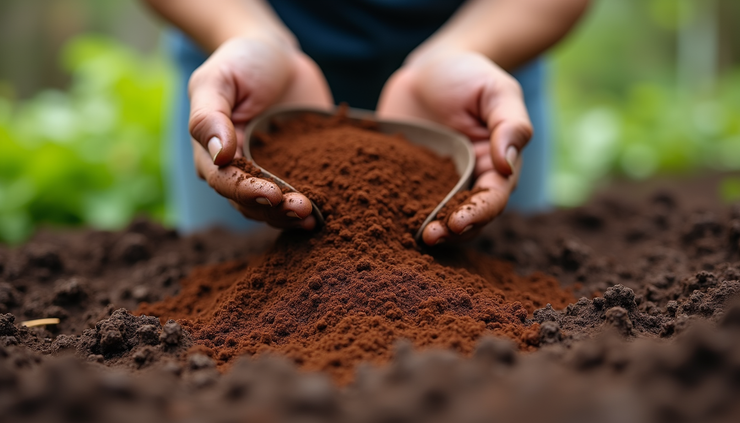
Coffee machines have become so popular in recent years, indeed I have an all singing, all dancing model that would probably cut the lawn if I had one, but they do produce an awful lot of waste through the coffee grounds. A small drawback in the pursuit of a steaming coffee to start the day, but wait, what if some clever marketing was implemented that tells us this waste is a miracle cure for almost everything in the garden and it’s another reason to go out and buy one. So, what is the truth?
First off let’s get rid of the word “miracle” they are not and never will be. Let’s go through this one point at a time.
They are an excellent all-round fertiliser- grounds have a nitrogen content of around 2% which is less than the content of most commercially available nitrogen fertilisers and you will find it is locked up, making it unavailable to plants until microbes breakdown the grounds. Composting the coffee grounds before using them as a fertilizer will allow for a faster release of nitrogen to the soil, resulting in a quicker response from the plant. So, in effect they are not a super fertiliser, just another waste kitchen product that can be put in your compost heap.
They are highly acidic and are good for Rhododendrons, Azaleas and their like. With a PH value around 6.5-6.8 they are mildly acidic to near neutral, and they are not a reliable way to lower PH. Whatever coffee grounds bring to the soil is short-lived, they are readily leached from the soil.
They make an ultra fine mulch due to their small particle size, coffee grounds compact easily and form a water-repelling barrier, preventing water and air from reaching plant roots. Immediately we have a red flag. If they are to be used, they should be spread very finely and preferably mixed with other organic material.
They are like Kryptonite to slugs, whereas some gardeners do use them as a barrier there are no credible studies to prove or disprove this. Some people argue slugs have a reaction to the caffeine and dislike the gritty texture of the grounds. Some gardeners have had good results whilst have not. It really is a case here of trying it yourselves. It is a similar story with ants, cats and foxes, nothing concrete, sorry to be of no use on this one.
They are safe to use around all plants. The grounds contain caffeine, which acts as an allelopathic agent. Here comes the scientific bit. Caffeine can be cytotoxic to surrounding seeds and seedlings, a kind of natural herbicide that inhibits the growth of closely growing weeds. However it is not selective and will affect all seedlings and young plants not just weeds, so the correct method of application would involve do not use on young plants, or seeds. So the answer to this one is only if plants are mature.
They eradicate fungal diseases, a very bold claim and one that I cannot find any evidence of. The good microbes supposedly hinder the fungal growth however the only research into this I can locate and I have looked intensely revolves around a lab test that suggest they can inhibit limited types of pathogens, but this has never been tested in an actual outdoor garden setting. The only reference I can take from this is that there seems to be no clear evidence that coffee grounds eradicate fungal diseases in plants.
They cure baldness, sorry I just got carried away there, there is no evidence of this ANYWHERE!!!!
So in conclusion, contrary to what some influencers are telling you, you may want to resist the urge to add the grounds directly to your garden in the amounts suggested and expect those remarkable results.
Trust the science and use the grounds as a normal green waste and add them to your compost heap to break them down. Applying directly to plants is fraught with possible dangers and is best avoided


Comments