


Myth Busters - Episode 1 BANANAS
- branch club
- Apr 4
- 3 min read

Do Banana Peels Really Help Plants?
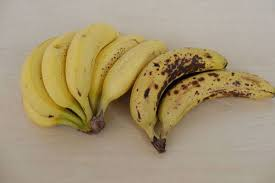
For years, gardeners have sworn that banana peels are a miracle cure for drooping plants, nutrient‑poor soil, and underperforming roses. TikTok, Pinterest, and garden forums are packed with tips about “banana peel water,” burying peels near roots, or using peel tea to supercharge blooms.
But how much of this is true—and how much is gardening folklore? Let’s bust the myth using real tests and expert research. So are we sitting comfortably? Then I will begin.
The Origin of the Banana Peel Myth
The belief that banana peels boost plant health isn’t new. Historically, cultures such as the Aztecs and Incas used organic waste like peels to enrich their soil—mainly because it was readily available, not because it had been scientifically proven. Modern social media simply revived this tradition. Banana peels take an age to breakdown so any community that had an abundance of them had to find a way of getting rid of the skins.
K + Ca + Mg + te
What Do Banana Peels Actually Contain
Ready for the science bit? Banana peels do contain nutrients, chiefly potassium, along with small amounts of phosphorus, calcium, magnesium, and trace elements. However, nutrient release is slow, since plants can't absorb nutrients directly from an intact peel and Nitrogen, which is essential for leafy growth, is very low in banana peels, making them incomplete as a fertilizer. Think of banana peels as a supporting actor, not the star of the show.
Are there ways to utilise the peels so that the nutrient uptake is better?
Banana Water or Peel Tea
Soaking peels in water for a day or two doesn’t release enough usable nutrients. Horticulture experts explain that decomposition must occur before nutrients become water‑soluble, and peel tea recipes don’t allow enough time. It also comes with a high risk of mould and pests.

Burying Raw Peels in Soil
Burying peels near roots seems appealing, but the nutrient release is too slow, decomposition is uneven, and pests may be attracted. Most experts advise against it. I was once involved in an outbreak of small fruit fly in an office I maintained the plants at. It turned out a well meaning member of staff had seen on social media that burying peels would result in huge spurts of growth, so that is what they did. Unfortunately, all it promoted was a swarm of flies. The entire display had to be removed to replace the plant, compost and sterilise the pot.
So, What Does Work?
Banana peels can still benefit your garden—just not in the way myths claim. The most effective method is to compost or vermicompost them (more on this in a later blog, but basically it involves worms of some description). When broken down properly, the nutrients become plant‑available and contribute to overall soil health. Chopping speeds up decomposition and improves consistency in nutrient release.
Final Verdict: Myth Busted or Not?
The bottom line here is Banana peels do not function as a quick, potent fertilizer. They do not release significant nutrients through water soaking, do not provide balanced nutrition when buried raw and most certainly do not outperform compost or commercial fertilizers.
However, as always in life there is a bright side if you look hard enough, banana peels are beneficial when composted, contributing slow‑release nutrients and organic matter to improve soil over time.


Comments